Cowboy Hat: The Slab Serif with Unapologetic Character
In a design landscape often filled with safe, neutral choices, there’s something refreshing about a typeface that walks into the room with its own presence. Cowboy Hat is precisely that—a bold, assertive slab serif font that doesn’t whisper; it speaks with confidence. It’s the kind of creative font you turn to when a project needs to make a statement, whether you’re crafting a brand identity, designing a poster, or building a website that stands out from the crowd. This isn’t just another serif font; it’s a design asset with a distinct personality, ready to elevate your work beyond the ordinary.
Understanding the Visual Personality of Cowboy Hat
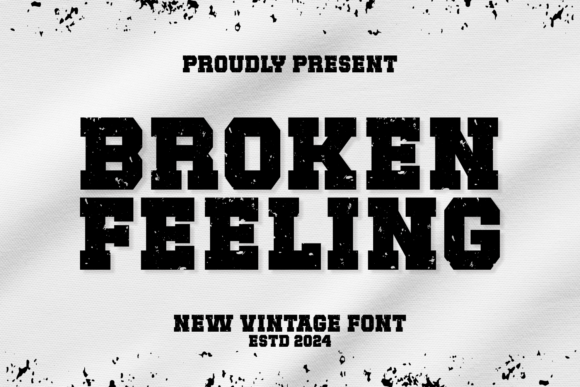
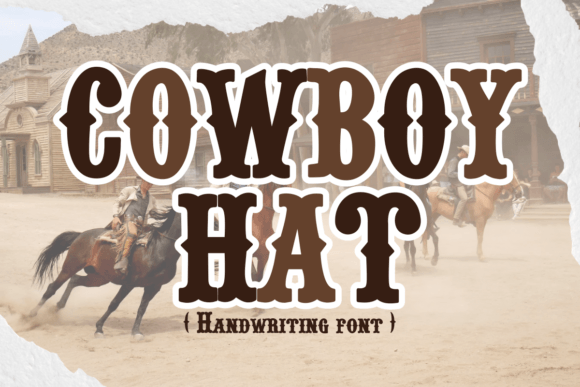
At its core, Cowboy Hat is a premium font built on the foundation of the slab serif tradition—think sturdy, block-like serifs and a strong vertical stress. But what sets it apart is its bold, unapologetic character. The letterforms are robust and commanding, with a slightly condensed structure that gives them a modern edge. There’s a rhythm to the strokes, a balance between thick and thin that creates visual interest without sacrificing readability at larger sizes. The overall feel is one of grounded confidence; it’s a typeface that suggests reliability, strength, and a touch of rugged individualism. It’s perfect for projects that need to convey authority or a strong, distinctive voice.
When you pair Cowboy Hat with a clean sans serif font, the contrast can be striking and effective. The slab serif’s inherent weight and texture play beautifully against the simplicity of a geometric or grotesque sans serif, creating a clear visual hierarchy. For more expressive projects, it can even complement a carefully chosen script font, adding a layer of bold structure to balance flowing, handwritten elements. The key is to let Cowboy Hat serve as the anchor—the headline, the logo, the key call-to-action—while other typefaces handle supporting roles.
Where Cowboy Hat Truly Shines: Practical Applications
So, where does this bold slab serif font work best? Its versatility might surprise you. In logo design, Cowboy Hat can be the cornerstone of a brand identity for businesses that want to project strength and authenticity. Think craft breweries, artisanal food brands, outdoor apparel, or even a tech startup looking for a distinctive, non-corporate feel. The font’s personality helps create immediate recognition and sets a tone that’s hard to ignore.
For editorial design and packaging design, its assertive nature makes it ideal for headlines, chapter titles, and product names. Imagine a cookbook with chapter headings in Cowboy Hat—it instantly adds a layer of rustic charm or bold sophistication, depending on the context. On packaging, it can make a product name pop on a crowded shelf, communicating quality and character at a glance.
In the digital realm, Cowboy Hat is a powerful tool for web design and social media graphics. Used for website hero text or key section headers, it guides the user’s eye and establishes a strong focal point. For social media, where grabbing attention in a fraction of a second is crucial, this display font can make your graphics stand out in a fast-scrolling feed. It’s particularly effective for quotes, announcements, or promotional banners where impact is paramount.
Even for personal projects—think custom invitations, motivational prints, or crafting labels—Cowboy Hat brings a level of professionalism and flair that generic fonts can’t match. It’s a creative font that helps hobbyists and crafters produce work that looks polished and intentional.
Making the Most of Cowboy Hat: A Practical Guide
Choosing a font like Cowboy Hat is just the first step. Using it effectively requires a bit of strategy. First, always consider the project’s context and audience. Its bold personality is fantastic for grabbing attention, but it might overwhelm a document that requires long-form reading. Reserve it for headlines, titles, and short, impactful text blocks where its strength can be an asset.
Testing font pairings is non-negotiable. Don’t just rely on theory; put Cowboy Hat next to potential partners in your actual design mockup. See how a sans serif like Montserrat or Open Sans interacts with it. Does the hierarchy feel clear? Is the overall mood right for the brand? Pay attention to x-height and letter spacing to ensure harmonious coexistence.
Take time to explore the font’s full potential. A quality premium font like this often includes multiple styles—perhaps different weights, italics, or even stylistic alternates. These variations can add nuance and flexibility to your designs. Also, be mindful of readability. While it’s excellent at display sizes, always test how it renders on different screens and in print to ensure your message gets through clearly.
Finally, understand the licensing. Since Cowboy Hat is a commercial font, ensure its license covers your intended use, whether for a client’s brand, a product you sell, or a personal project with wide distribution. Reputable foundries provide clear licensing terms, so you can use the font with confidence.
In the end, Cowboy Hat is more than just a collection of glyphs. It’s a tool for storytelling, a way to inject personality and conviction into your creative work. By understanding its strengths and applying it thoughtfully, you can harness its bold character to create designs that are not only seen but remembered.